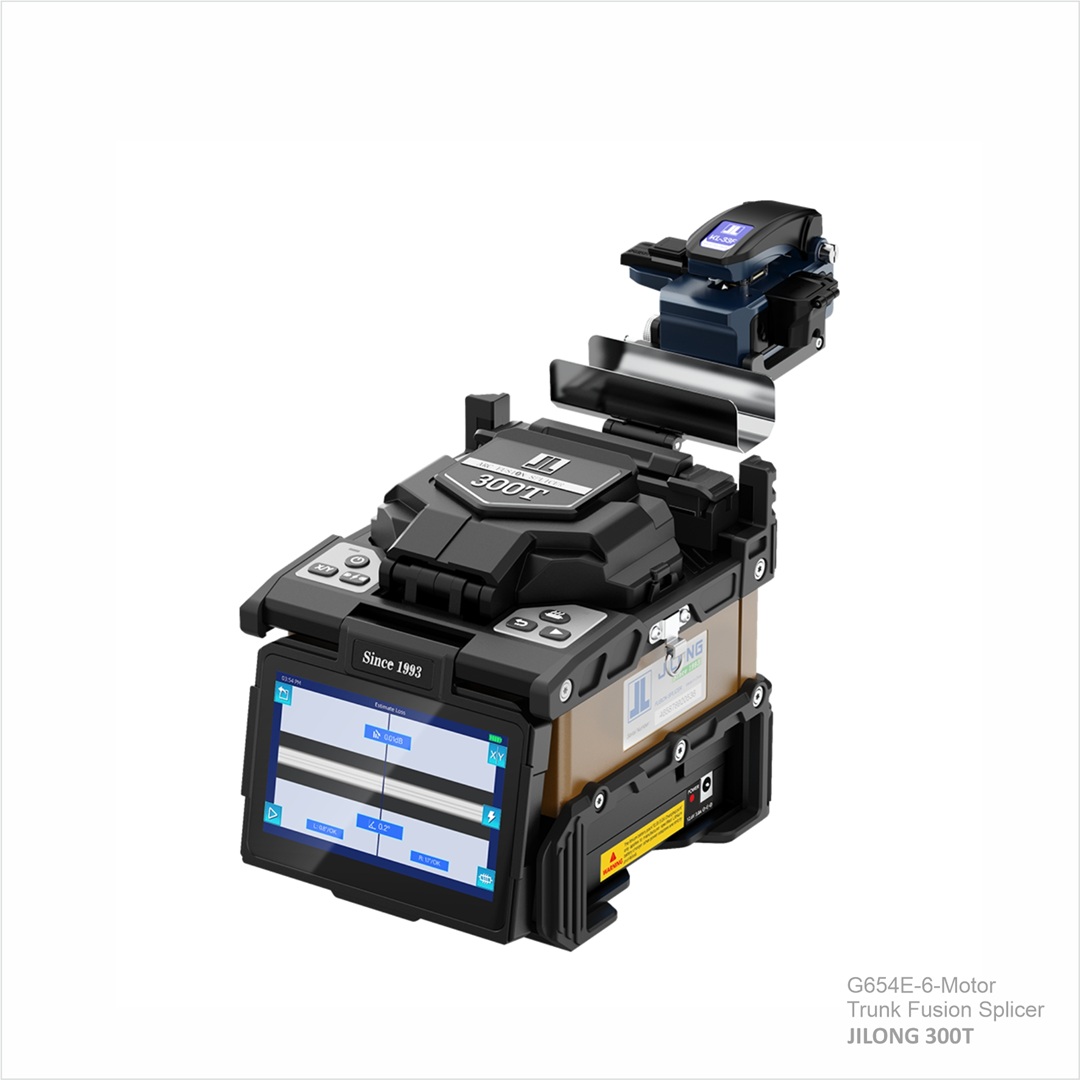
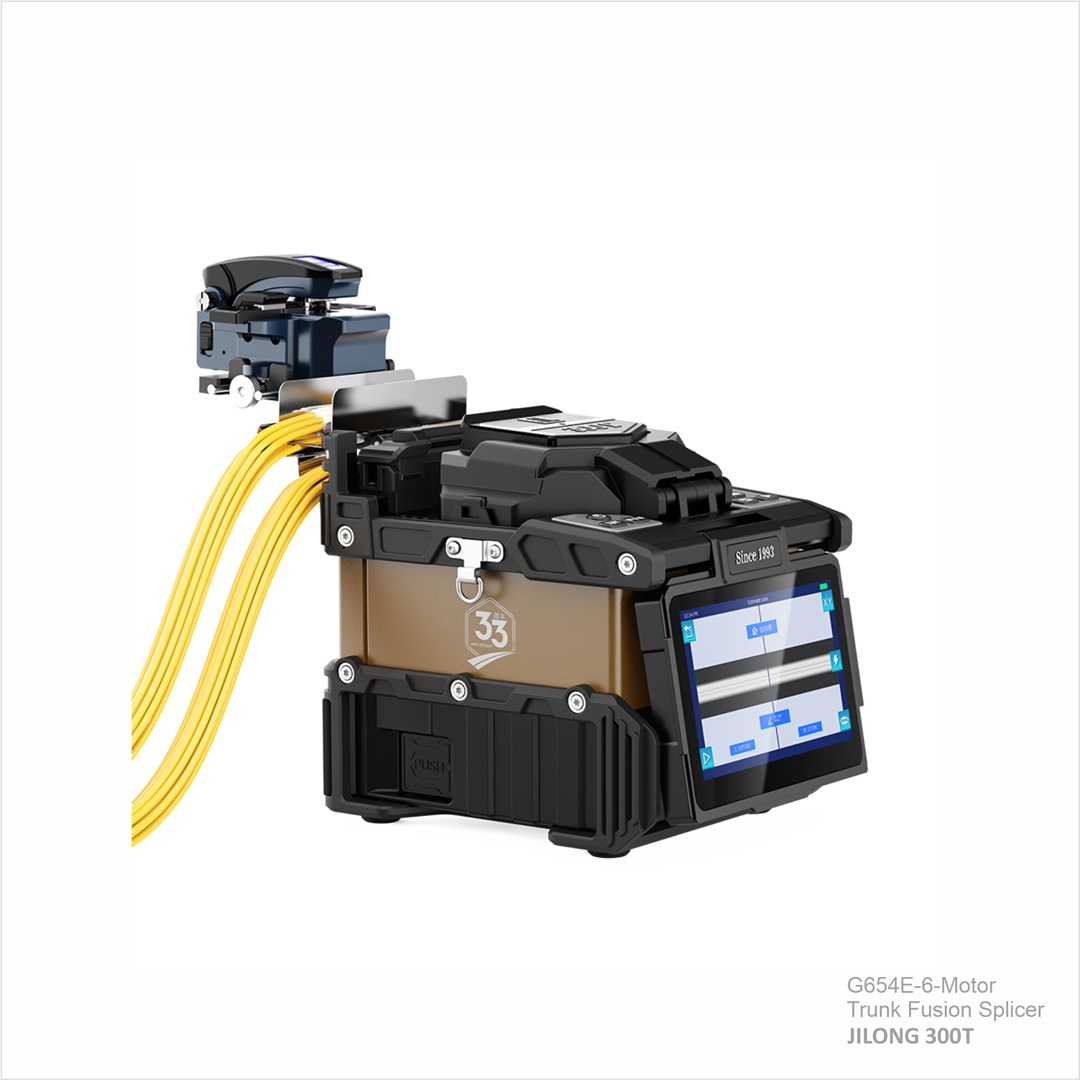
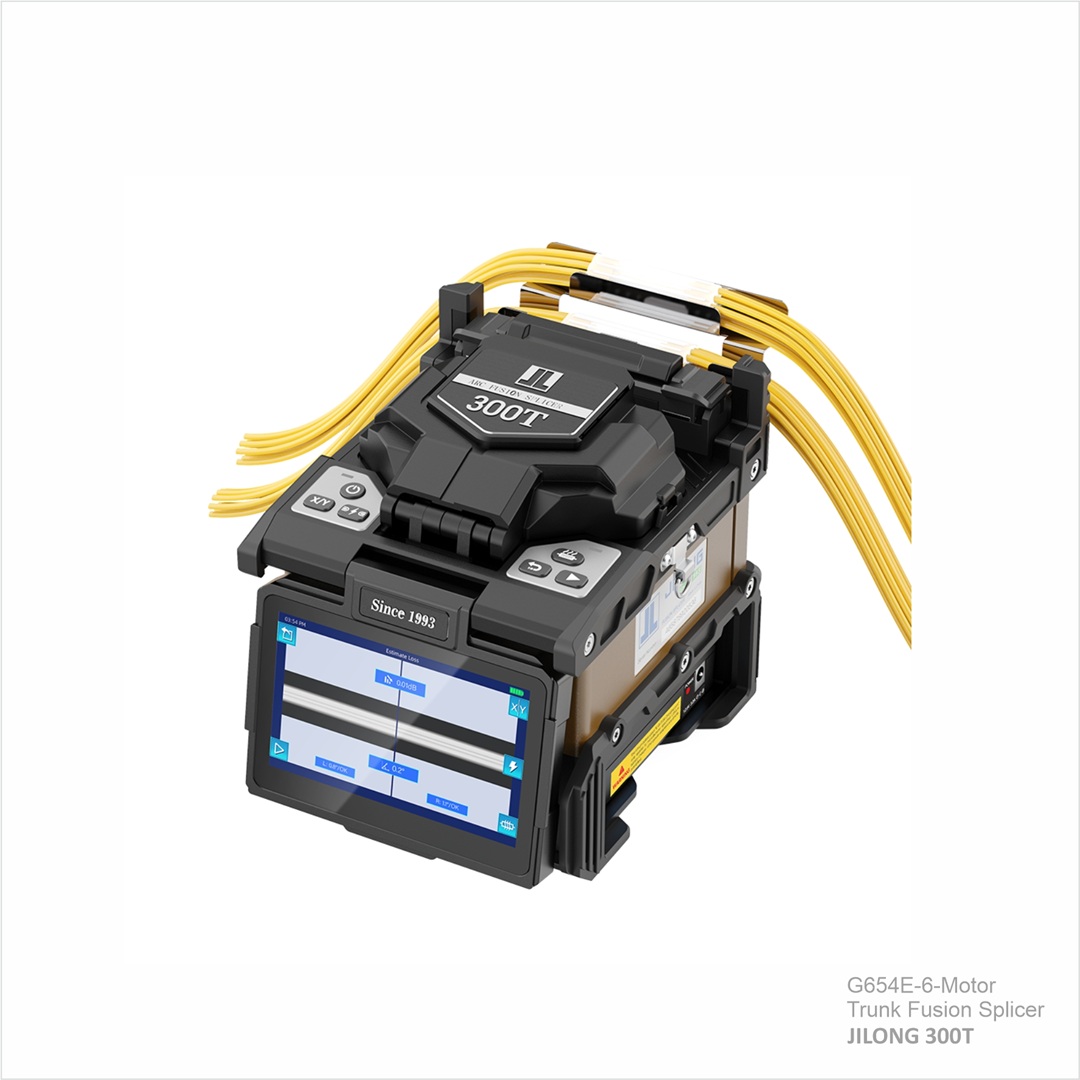
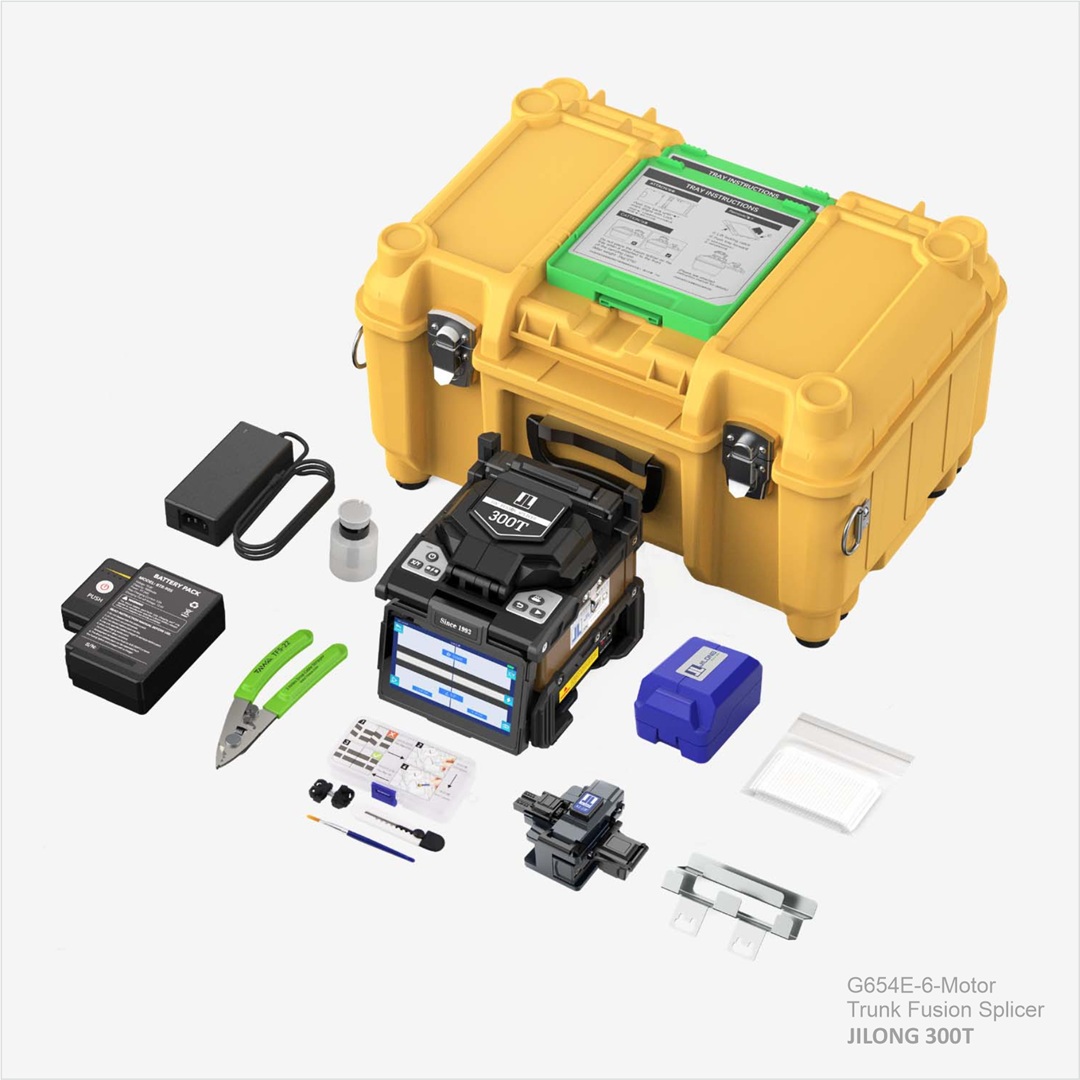
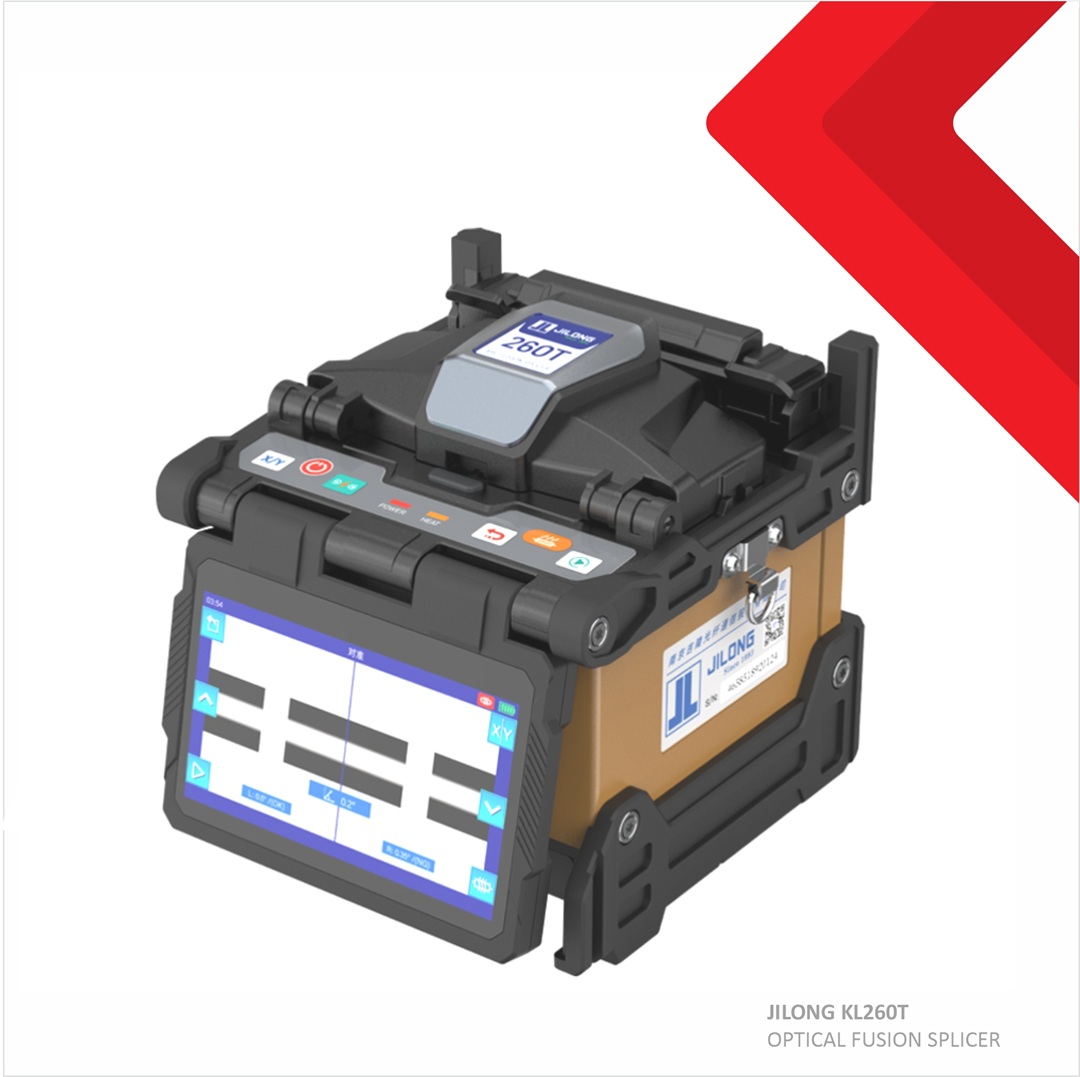
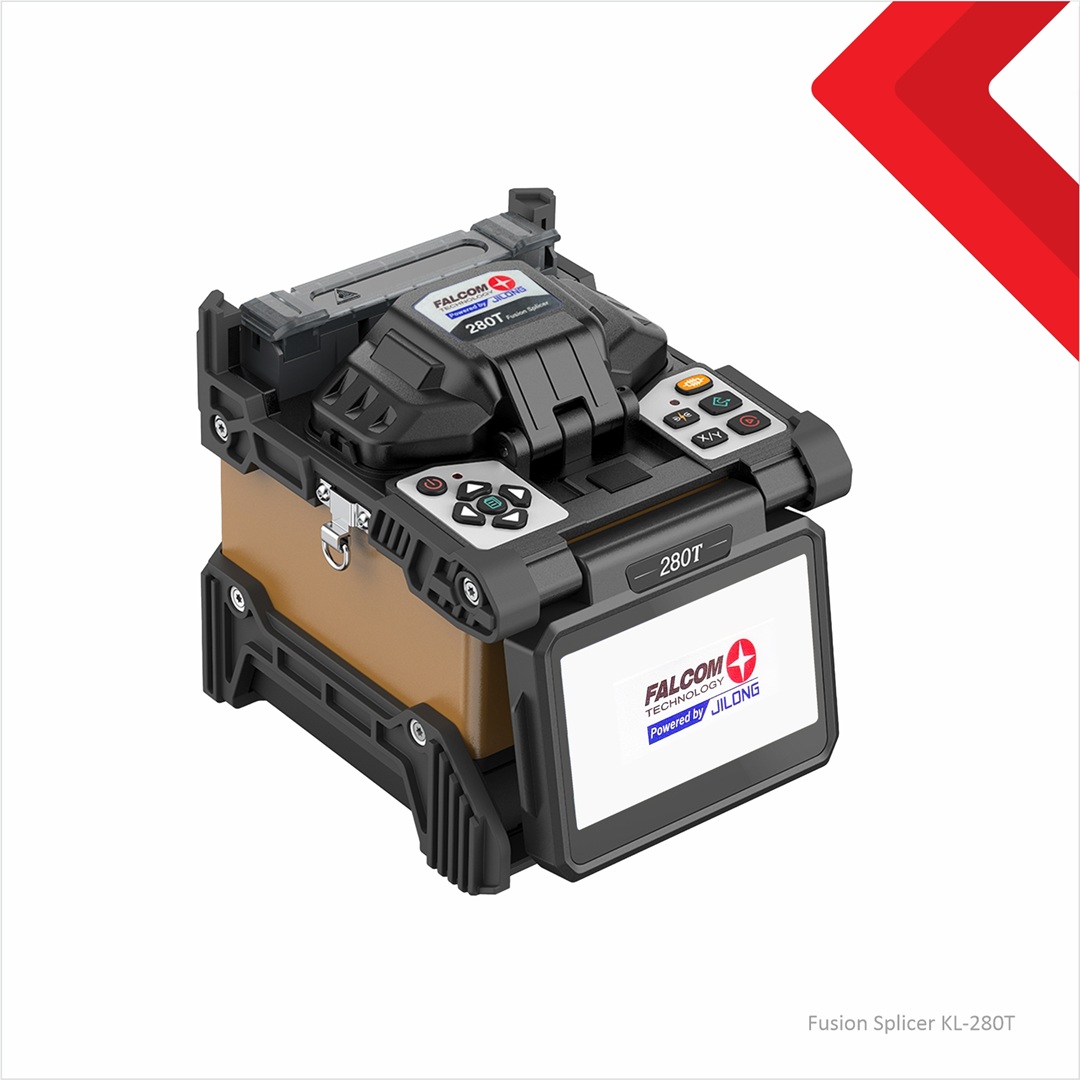
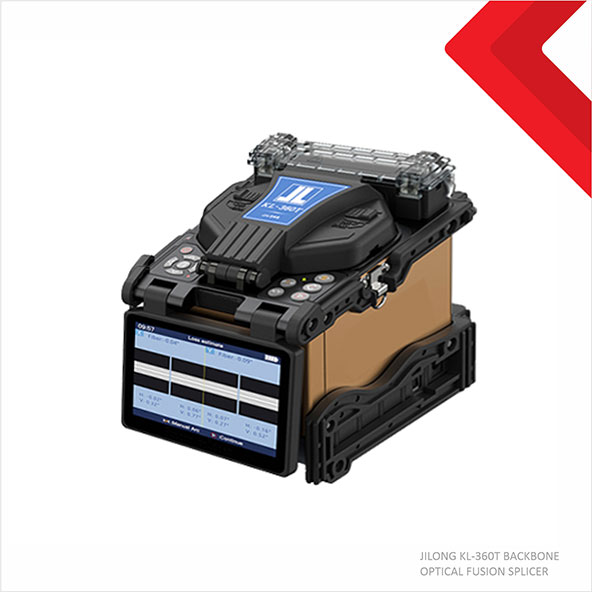
| Specifications |
| Splice Method : |
Core Alignment |
| Applicable Fibers : |
SM(TTU-T G.652&G.657)/ MM(ITU-T G.651)/CS(ITU-T G.654)/DS(TU-T G.653)/ NZDS(TU-T G.655) |
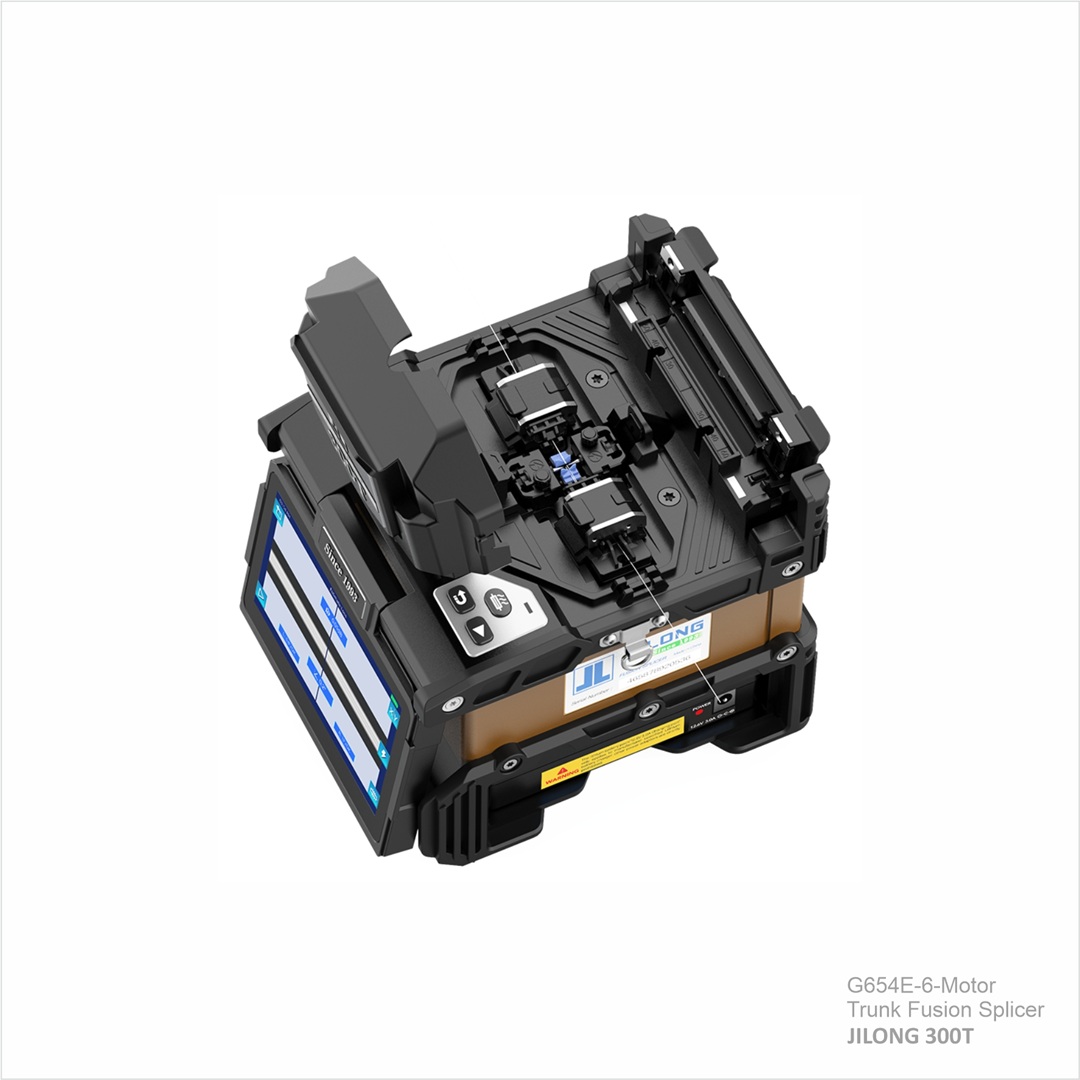
| Compatible Fiber/Cable : |
0.25~3.0mm/Drop Cable |
| Fiber Holder : |
Replaceable Universal Holder |
| Fiber Diameter : |
Cladding:80-150μm,Coating:100~1000μm |
| Fiber Cleave Length : |
8~16 mm |
| Splice mode : |
Max 128 groups |
| Typical Splice Loss : |
SM:0.02dB/MM:0.01dB/CS:0.03dB/DS:0.04dB/NZDS:0.04dB/G.657:0.02dB ★① |
| Return Loss : |
>>60dB |
| Splicing Time : |
6s(SM G652 QuickMode) |
| Estimated Splice Loss : |
Available |
| Heating Time : |
10s(SM G652 250μm 40mm heat shrink tubing Fast mode)user adjustable |
| Protection Sleeve Length : |
20mm, 30mm, 40mm, 50mm, 60mm |
| Heat Programs: |
Max 32 groups |
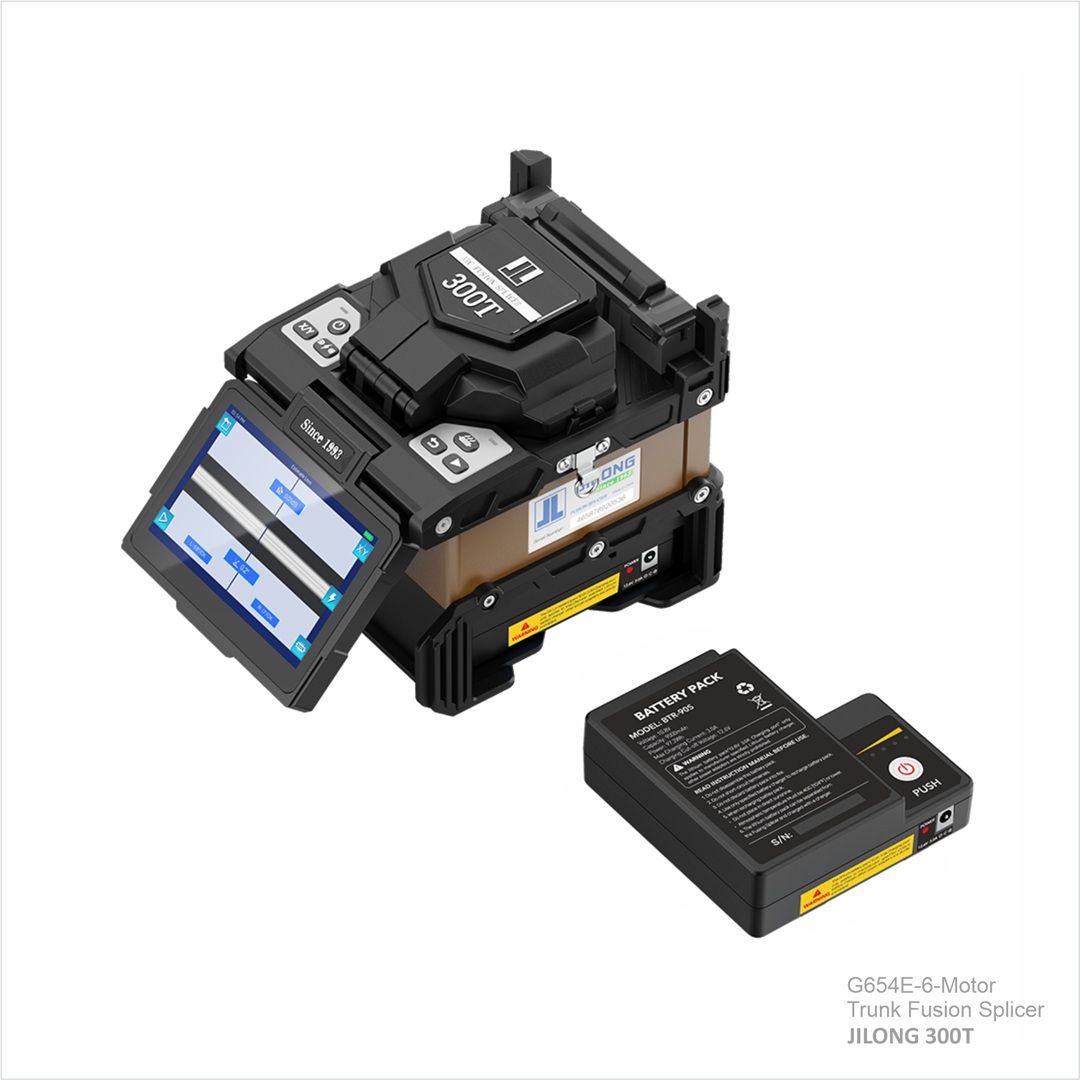
| Battery : |
9000mAh Lithium battery, approx. 500 splice & heat cycles per charge ★② |
| Electrode Life : |
Approx. 5000 discharges ★③ |
| Auto-start : |
Splicing / Heating |
| Automatic Fiber Identification : |
Supported |
| Automatic ARC Identification : |
Automatic calibration based on ambient temperature and air pressure |
| Results Storage : |
10,000 splice records or 2,000 splice images |
| Tension Test : |
1.96~2.25N |
| Operating Condition : |
Altitude: 0~5000m, 0~95% relative humidity, -20~50°C, Max Wind 15m/s |
| Storage Condition : |
0~95% relative humidity, -20~60°C |
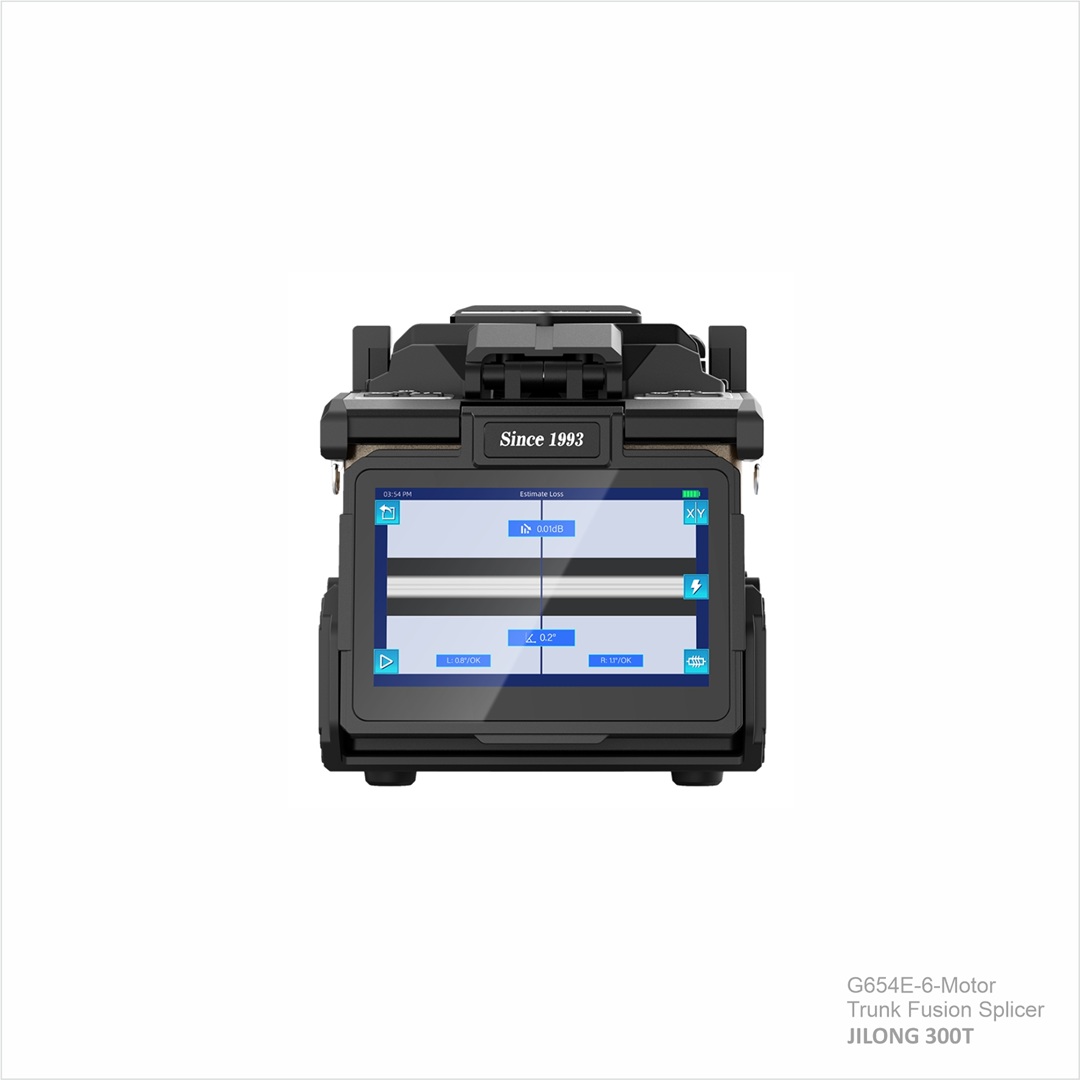
| Display : |
5.0 inch High-definition LCD display |
| Fiber Magnification : |
X,Y,XY,X/Y:320x magnification |
| Power Supply : |
AC Input 100-240V, DC Input 9-14V |
| Terminal : |
USB2.0 |
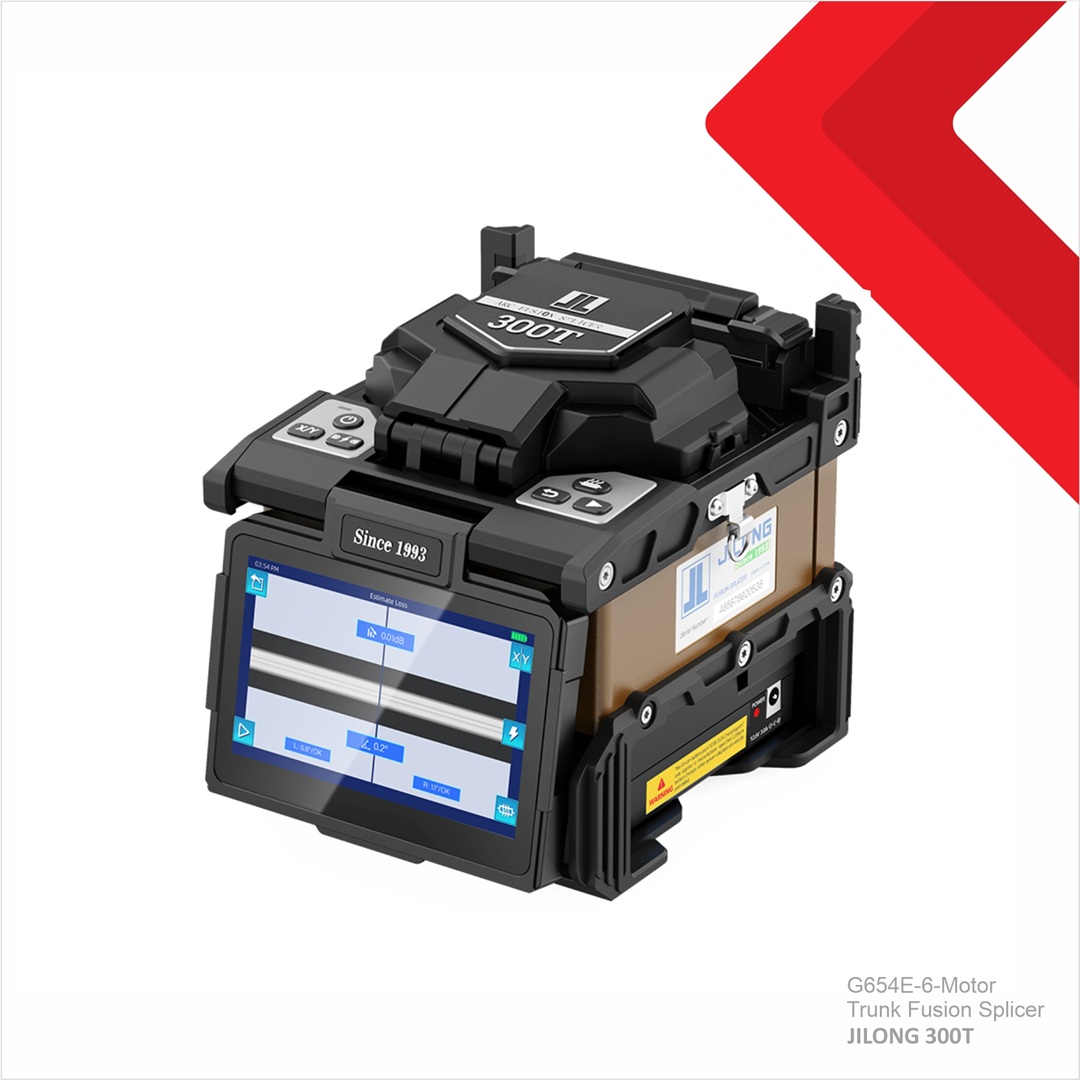
| Weight : |
2.367kg(without battery)/2.9kg(with battery) |
| Size : |
167Hx 147Wx 166D mm (including protective case) |
| ★All-Metal Material: Excluding the battery, metal components account for over 65%+ of the weight. |
| ★500 Splice + Heat Cycles on Full Charge: Results obtained in a room temperatureenvironment using 0.25mm fiber and 40mm sleeves; results are largely influenced bybattery status and operation. |
| ★Cleaver Workstation: The workstation must be purchased separately. |
| ① Results are tested using standard fibers according to ITU-T and IEC standard truncation methods; loss varies due to environment and fiber characteristics. |
| ② Results obtained in a room temperature environment; largely influenced by battery status and operating environment. |
| ③ Electrode life varies due to environment, fiber types, and splicing modes. |